No products in the cart.


Oltre la giustizia – Vangelo di domenica 17 settembre
“Fino a che punto è giusto perdonare un fratello se è colpevole?” è la domanda che ci facciamo tutti almeno una volta nella vita. È una domanda frutto della paura…

Al di là della paura – Vangelo di domenica 3 settembre
“Dio non voglia, questo non ti accadrà mai!”: Pietro, nella sua meravigliosa immediatezza, esprime la fragilità umana che abbiamo tutti di non voler perdere chi amiamo.

Pietra viva di umanità – Vangelo di domenica 27 agosto
«Ma voi, chi dite che io sia». Gesù non cerca consensi ma rapporti veri, coinvolgimenti affettivi autentici: “cosa ti è successo quando mi hai incontrato?”, questa è la domanda che…

Briciole di fede – Vangelo di domenica 20 agosto
“Non le rivolse neppure una parola”. Stupisce l’apparente indifferenza di Gesù dal quale non ci aspetteremmo una risposta tanto dura. Dio non pone confini, ma non si lascia usare.

La mano di Dio nella tempesta – Vangelo di domenica 13 agosto
Non siamo abituati ad un Dio che si fa presente ancora prima che lo supplichiamo.

Riparare i legami – Vangelo di domenica 10 settembre
“Se il tuo fratello commetterà una colpa contro di te” è la dinamica della quotidianità, dove vivere insieme può significare anche ferirsi a vicenda e confliggere.

Uno squarcio di luce – Vangelo di domenica 6 agosto
Il presupposto da cui parte oggi il Vangelo è che c’è un grande mistero dietro al volto del Signore che non possiamo comprendere del tutto.

Cercare e trovare – Vangelo di domenica 30 luglio
Abbiamo l’istinto di pensare che il Regno dei Cieli sia qualcosa di comprensibile solo per gli angeli e raggiungibile solo nell’aldilà. E ci convinciamo che dobbiamo adattarci a un mondo…

Il seme buono e la zizzania – Vangelo di domenica 26 luglio
Il male è entrato nel mondo e dobbiamo metterci il cuore in pace rispetto al fatto che Bene e male coesistono e che il seme buono crescerà sempre insieme alla…

Dare buoni frutti – Vangelo di domenica 16 luglio
Trasuda di umanità il gesto che oggi Gesù compie mettendosi a parlare alla folla con un linguaggio tanto semplice da poter essere compreso da tutti.

Il peso è leggero – Vangelo di domenica 9 luglio
“In quel tempo” corrisponde ad un momento ben preciso. È infatti un’ora di fatica in cui l’animo di Gesù viene animato dalla paura e dallo scoramento per le tensioni sociali…

Il tutto e i suoi frammenti – Vangelo di domenica 2 luglio
Gesù sembra partire in quarta per poi fermarsi e tornare indietro, quasi come per venirci a riprendere.

Il coraggio della giustizia – Vangelo di domenica 25 giugno
Vivere in un mondo in cui regna l’ingiustizia fa davvero tanta paura. Ci rende scoperti, ci fa sentire fragili. Amare non significa avere la certezza di essere ricambiati. Amare, al…

Operai per vocazione – Vangelo di domenica 18 giugno
Se ci fermassimo a guardare le persone che ci circondando, anche noi come Gesù sentiremmo la loro stanchezza e il loro sfinimento. Il mondo sta male, l’umanità è sempre più…

Tutto è possibile – Vangelo di domenica 4 giugno
Quanta dolcezza racchiusa in queste poche parole. L’amore del Signore, oggi, ha la tenerezza di una carezza e al contempo la forza di una montagna.

Una comunità in comunione – Vangelo di domenica 28 maggio
Gesù si manifesta ancora una volta per portare la pace dentro l’inquietudine dei discepoli dopo che hanno assistito alla sua crocifissione e dopo che, terrorizzati, hanno visto quel sepolcro vuoto.

La forza della sua presenza – Vangelo di domenica 21 maggio
Come è possibile credere, amare e dubitare? Come possono coesistere nello stesso cuore due dimensioni così contraddittorie?

Se mi ami – Vangelo di domenica 14 maggio
“Se mi amate” è il presupposto di partenza che propone Gesù. Amare il Signore è il cuore del cristianesimo ed è il centro di ogni relazione umana e fraterna.

Paura dell’abbandono – Vangelo di domenica 7 maggio
Il turbamento profondo che Gesù legge nel cuore dei discepoli è la paura dell’abbandono. Sente forte questa angoscia e la esplicita attraverso una rassicurazione che calma anche noi: “non sia…
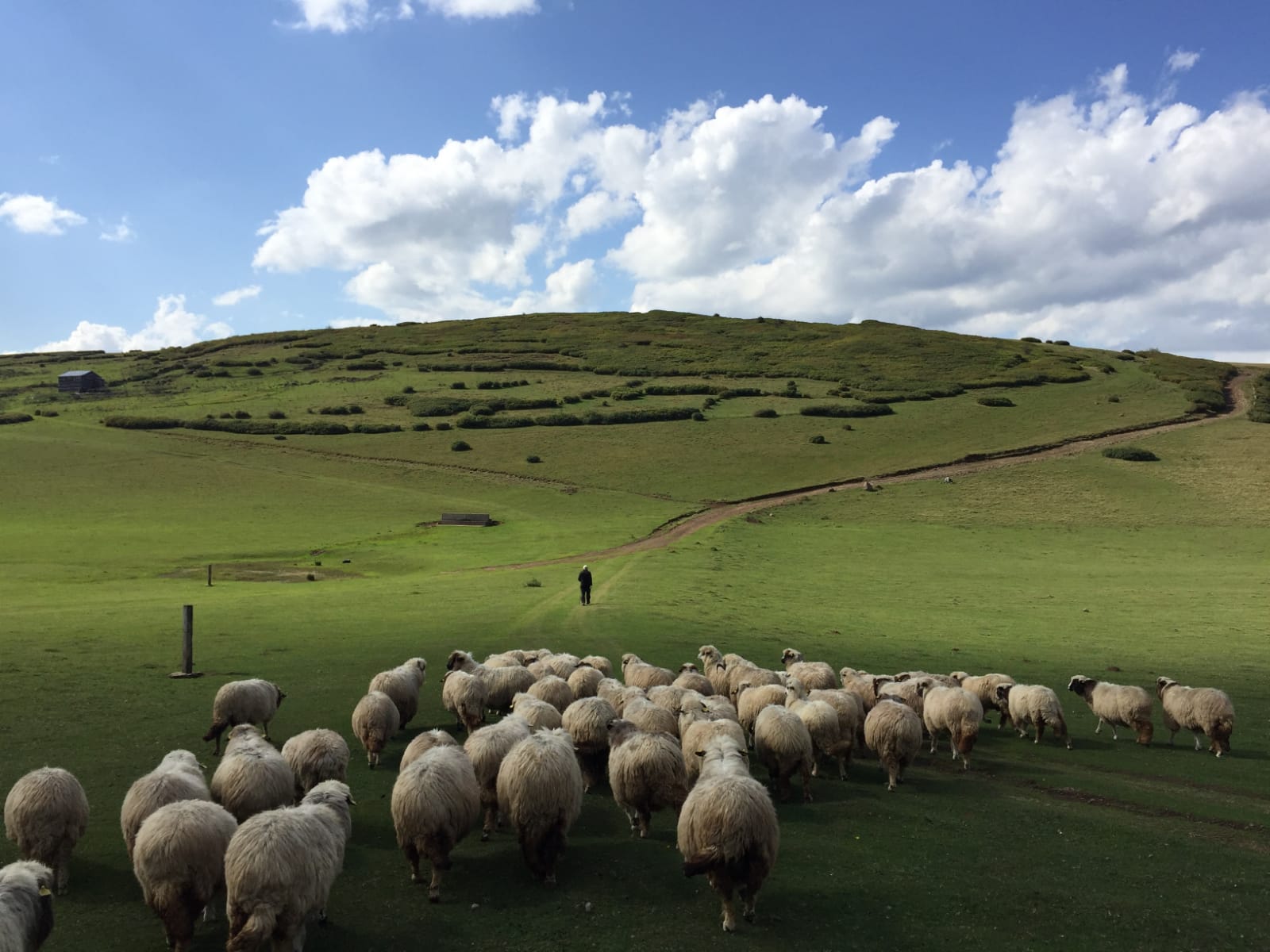
La porta e il pastore – Vangelo di domenica 30 aprile
Quante volte crediamo essenziale ciò che non lo è? Quante volte perdiamo i riferimenti e i sensi nella nostra vita? Quante volte confondiamo i “briganti” con il “Pastore”?

Nel pane spezzato – Vangelo di domenica 23 aprile
C’è una tristezza negli occhi dei due discepoli che gli impedisce di vedere. C’è una delusione nel loro animo per la morte di Gesù, per questa separazione a cui non…

Pace a voi – Vangelo di domenica 16 aprile
Gesù è risorto e si manifesta ai discepoli pronunciando queste bellissime e semplici parole: “Pace a voi“. Lo fa mostrando i buchi nelle mani e le ferite sui fianchi.

È vivo ed è qui! – Vangelo di domenica 9 aprile
Ci vuole tempo per comprendere la Resurrezione, forse non basta una sola vita per vedere e credere. Nemmeno i discepoli prediletti riescono a comprendere fino in fondo che Gesù è…

Da chiodo a chiodo – Vangelo di domenica 2 aprile
È sempre difficile accettare fino in fondo la libertà degli altri, anche quella che ha condotto Gesù ad un sacrificio così totale.

Non per la morte ma per la vita – Vangelo di domenica 26 marzo
Gesù sa che il suo caro amico è morto e non si scompone davanti a questo terribile lutto. Raccoglie i discepoli e torna in Giudea a casa di Lazzaro, nonostante…

Vide e credette – Vangelo di domenica 19 marzo
Quante volte siamo nel buio e chiediamo ripetutamente a Dio solo il perché, restando incastrati dentro l’angoscia, la paura, la tristezza. Quante volte chiediamo a Dio solo la ragione del…

Il dono di Dio! – Vangelo di domenica 12 marzo
L’incontro tra Gesù e la Samaritana avviene nella solitudine. Entrambi sono stanchi, abbandonati, deboli. Entrambi hanno sete.

La luce dell’amore – Vangelo di domenica 5 marzo
I discepoli scoprono una grande verità e cadono con la faccia a terra presi dalla paura.

Tra il bene e il male – Vangelo di domenica 26 febbraio
Il male è entrato nel mondo. Ce lo ricorda la Prima Lettura di oggi tratta dalla Genesi in cui il male seduce Adamo ed Eva con una tentazione potente “sarete…

Il coraggio di amare – Vangelo di domenica 19 febbraio
C’è una rivoluzione nelle parole del Vangelo di oggi. E’ la rivoluzione dell’amore.